
The City…
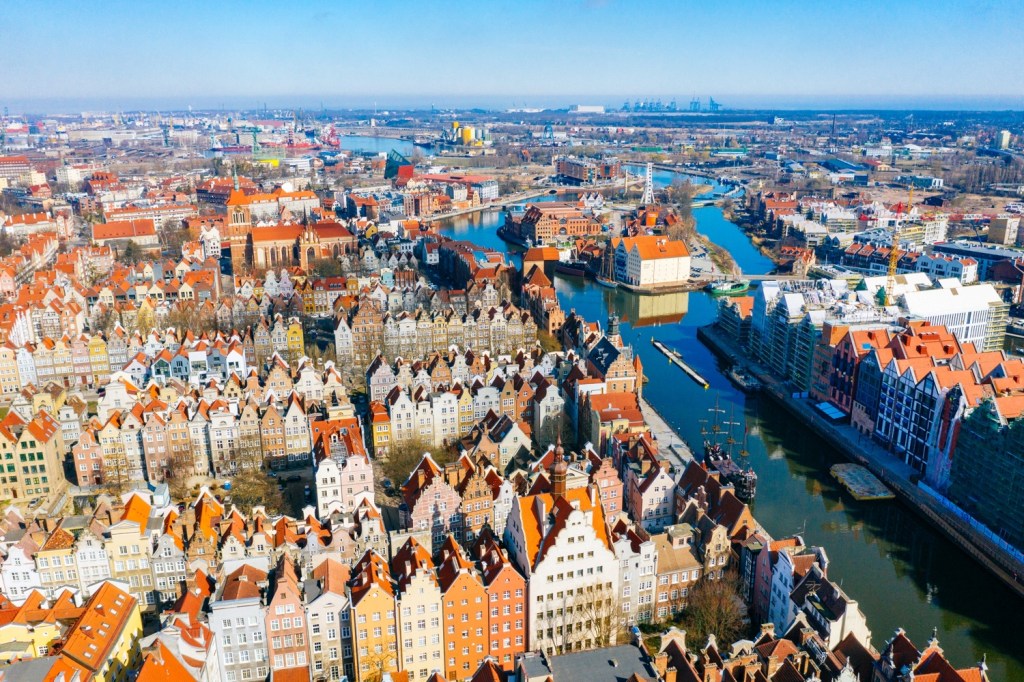
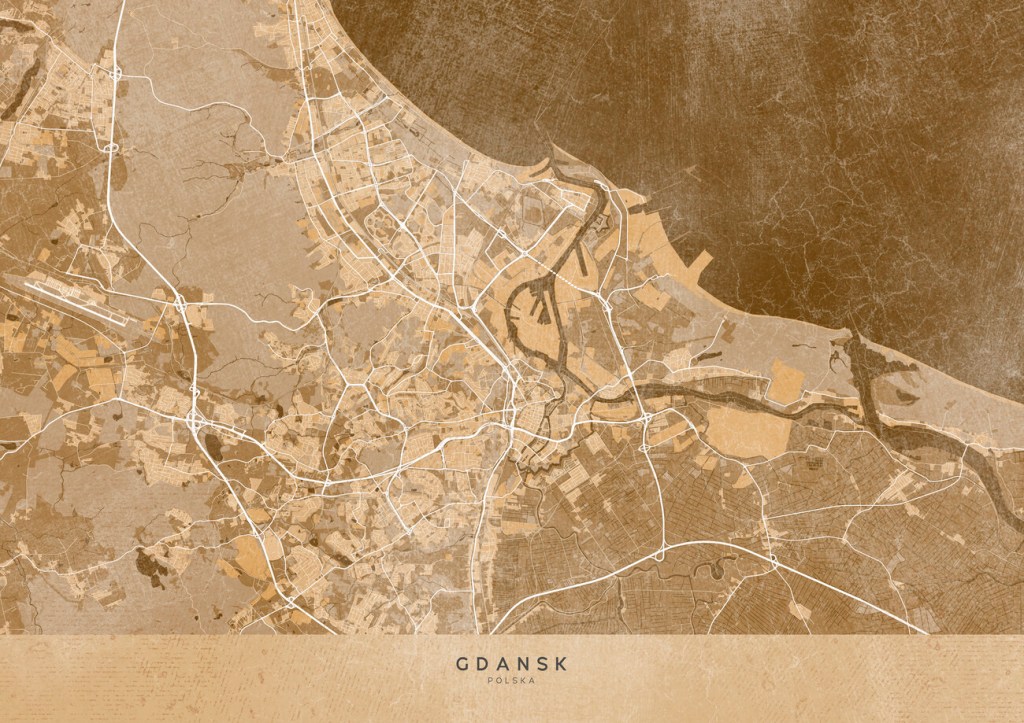
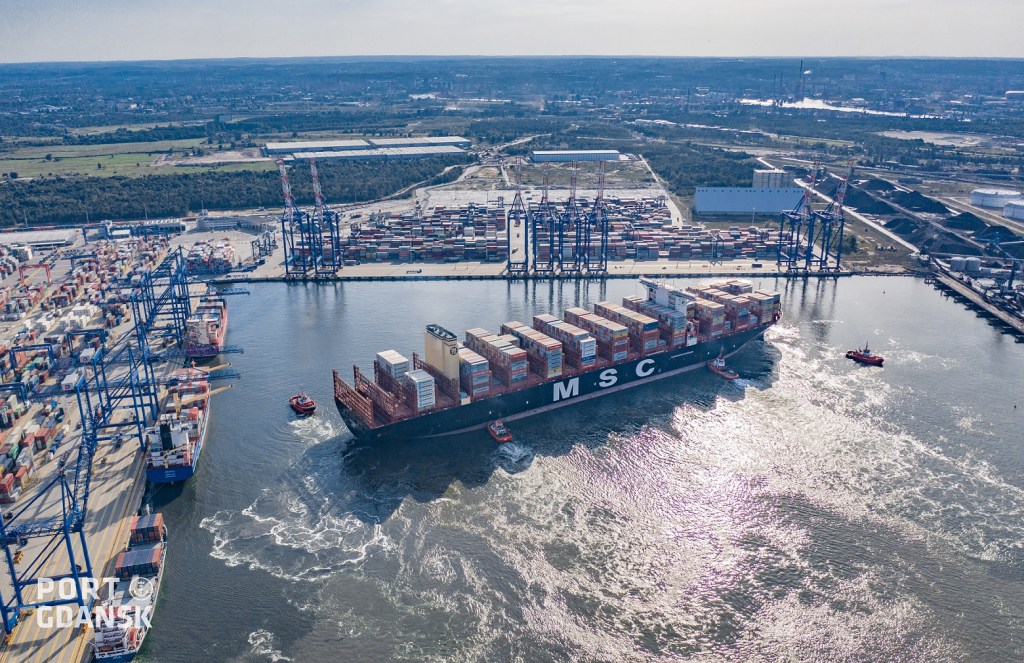
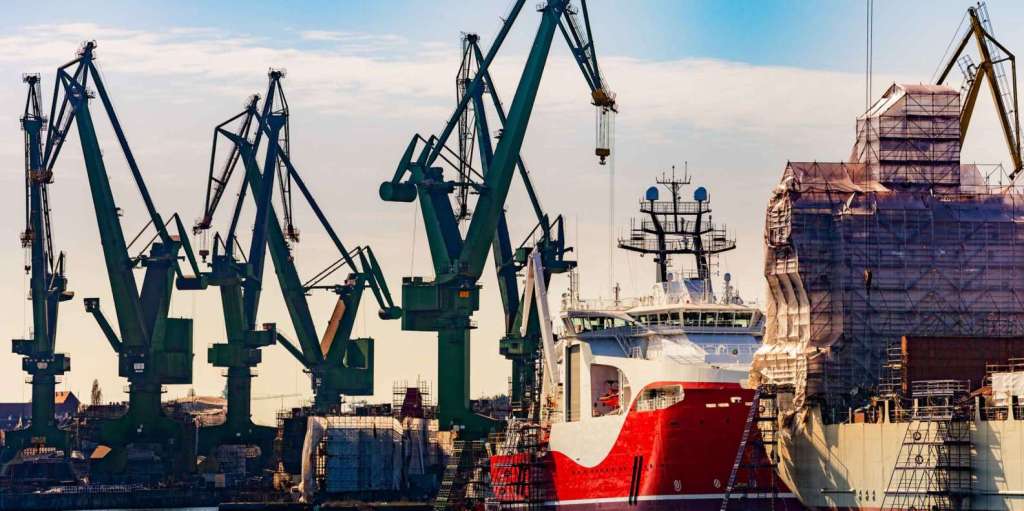
The port city of Gdańsk can be found on the coast of Northern Poland, located at the mouth of the Motława River, flowing into the Baltic Sea. The city has a vastly complex history featuring periods of German rule, Polish rule and self-determination. It has functioned as a major seaport since the Middle Ages. In 1361, it was incorporated into the Hanseatic League (a network of well-connected and wealthy towns and cities from the Netherlands, Poland, Germany, and Russia), handling trade throughout the continent.
Gdańsk (formerly Danzig) served as a key city in the build-up to and during the Second World War. The city was given ‘Free City’ status from the Treaty of Versailles meaning that instead of being given to the newly created country of Poland, Danzig was turned over to the League of Nations for administration.
France and the United States supported the idea that Danzig should be assigned fully to Poland but this was vehemently opposed by Britain and Germany. In the end, the compromise of stripping the city from Germany, and having it simply be a free city was agreed upon.
Poland wanted to obtain Danzig as it was a large port city situated geographically at an important strategic point in Europe. The only problem was that Danzig’s population was largely German. In 1929, the census counted the city’s population as being 95% German.
In 1938, the seemingly unstoppable Nazi annexation machine set its sights on the Free City of Danzig. Germany contended that the city should be reunified with the Reich, citing historical and ethnic arguments in support of its case. This did not sit well with Poland who saw Danzig as a future and inevitable part of their plans going forward.
As we know, World War II went on to be the bloodiest war in human history, the build-up was largely based on the city of Danzig. After the war, the city (renamed Gdańsk) returned to Poland, under the rule of the Soviet Union.
In the 1980s, Gdańsk was the birthplace of the Solidarity movement, which helped precipitate the collapse of the Eastern Bloc, the fall of the Berlin Wall and the dissolution of the Warsaw Pact. In July 1980, facing an economic crisis, Poland’s government raised the price of food and other goods, while restricting the growth of wages. These price increases made it difficult for many Poles to afford basic necessities, and so a wave of strikes swept the country.
Amid escalating tensions, a popular forklift operator named Anna Walentynowicz was fired from the Shipyard. As a result, some 17,000 workers began a sit-down strike to campaign for her reinstatement, as well as for an increase in wages.
They were led by the former shipyard electrician Lech Walesa, who had himself been fired for union activism four years earlier. Walesa went on to be given the Nobel Peace Prize for his actions and after winning the 1990 election, was named the first democratically elected president of Poland since 1926.
The Club…

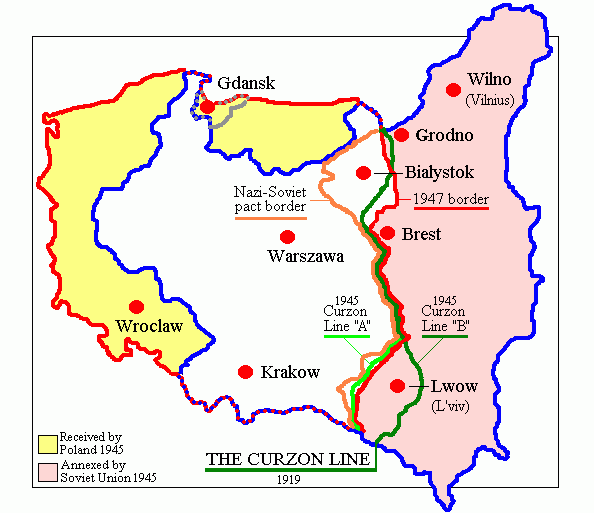
Lechia Gdańsk was founded in 1945 by people expelled from Lwów, who were supporters of Poland’s oldest football team Lechia Lwów. In 1945-46, the Soviet Union oversaw ‘population transfers’ which, in short, saw the Eastern borderlands of Poland become part of Ukraine, Lithuania and Belarus. The city of Lwów became Lviv and its Polish inhabitants were forced to leave.
The club’s name comes from the word Lechia which is a poetic name for Poland and is a continuation of the name used by the club based in Lwów. During their early years, Lechia most notably finished third in the Polish top division, before then spending decades in the second and third tiers.
In the early 1980s, the club won the Polish Cup, and the Polish Super Cup, and ventured into European competition for the first time. After having two mergers with other teams in the 1990s the club had to restart from the sixth tier in the early 2000s.
In May 2008 the club was promoted again to the Ekstraklasa. Their most prominent top-flight league finish came in 2019, where they ended the season third in the league and again won both the Polish Cup and the Super Cup, before suffering relegation to the second tier in 2023.

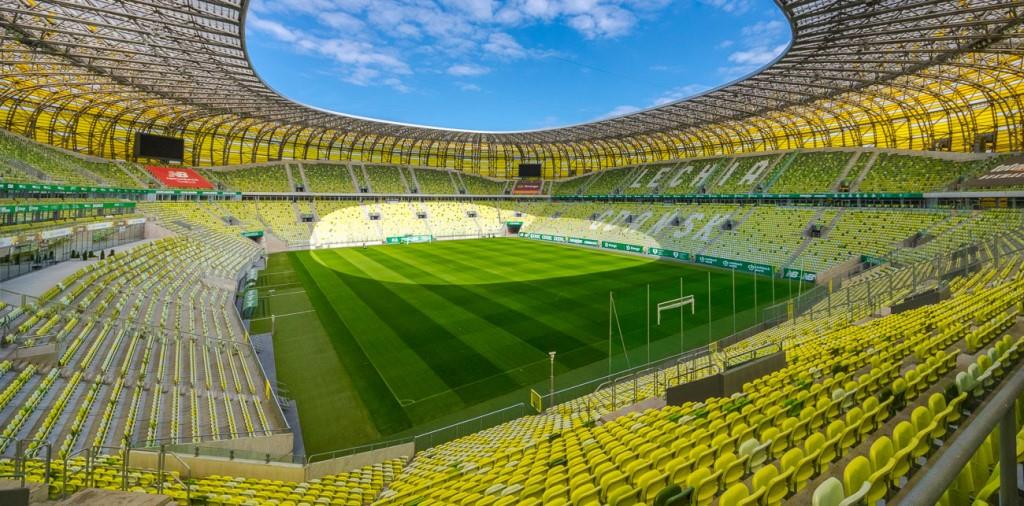
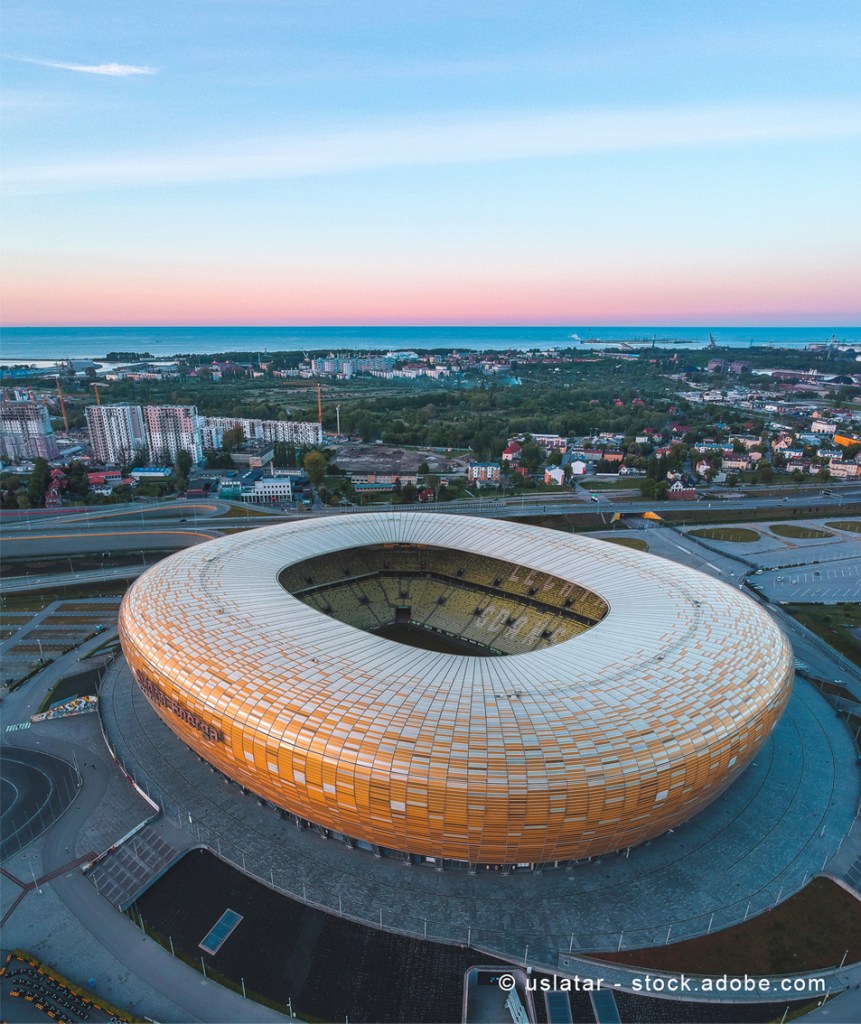
Since 2011, Stadion Gdańsk has been the home of Lechia Gdańsk. The 41,000-capacity stadium was one of the designated venues for UEFA Euro 2012 and hosted four games throughout the tournament. The stadium also played host to the 2021 Europa League Final which saw Villarreal beat Manchester United 12-11 on penalties.
The stadium means that through this FM save (I know, I’m yet to mention Football Manager), the club has the potential to grow without being thrown into huge debts due to having to build a new stadium. Additionally, the training and youth facilities in-game are classed as adequate. Whilst the junior coaching is also adequate and the youth recruitment is considered average.
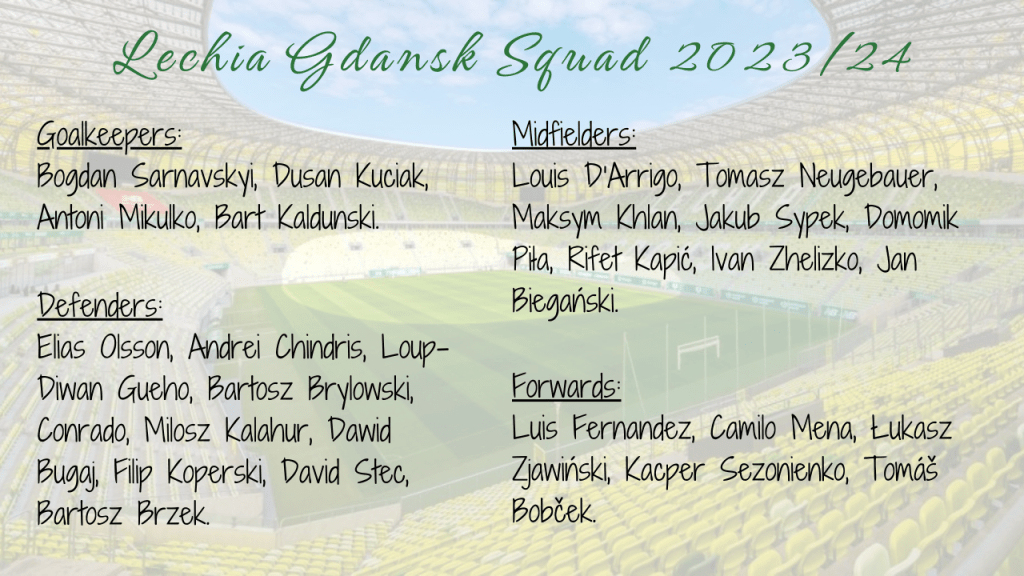
Furthermore, the average age of this Lechia Gdańsk team is 21.97 years old, meaning there is the opportunity to (hopefully) build around a core set of players as we seek to gain promotion and reestablish ourselves in the top flight and beyond.
The Manager…
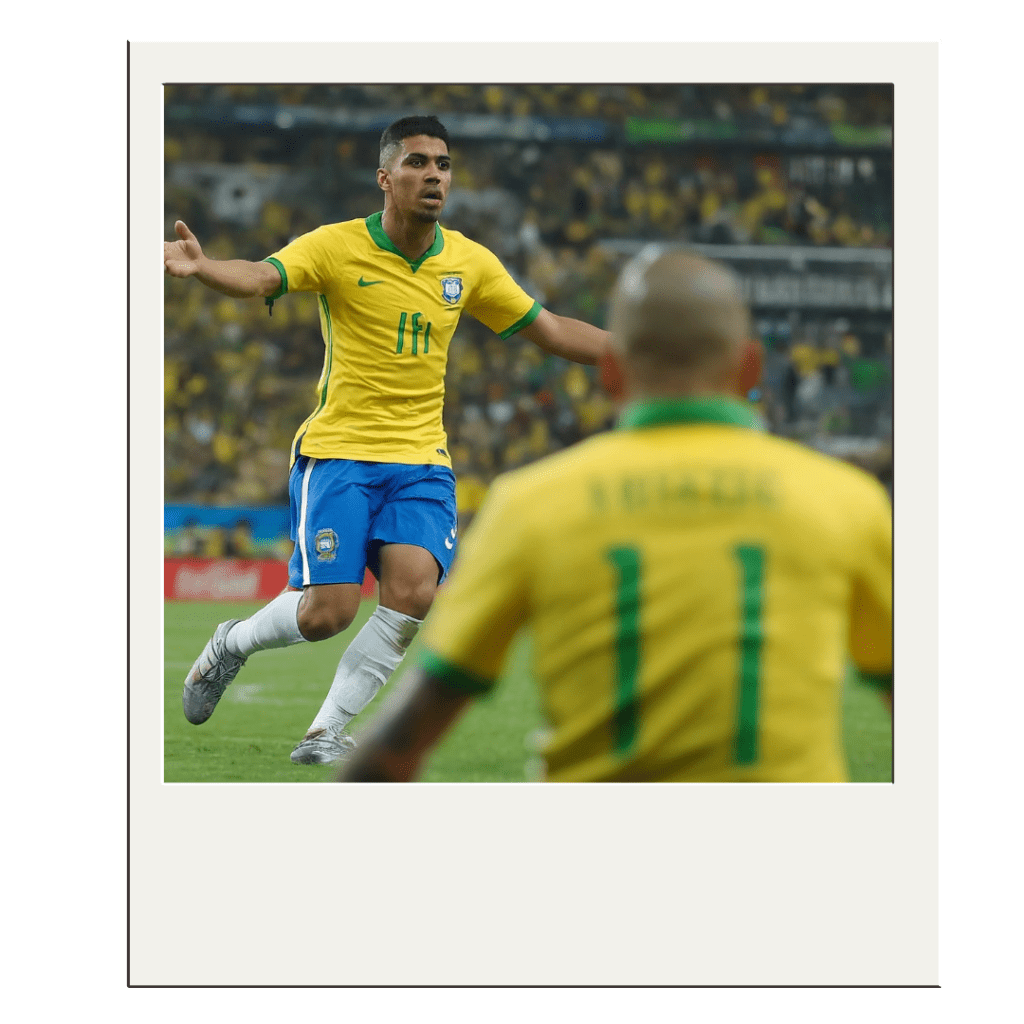
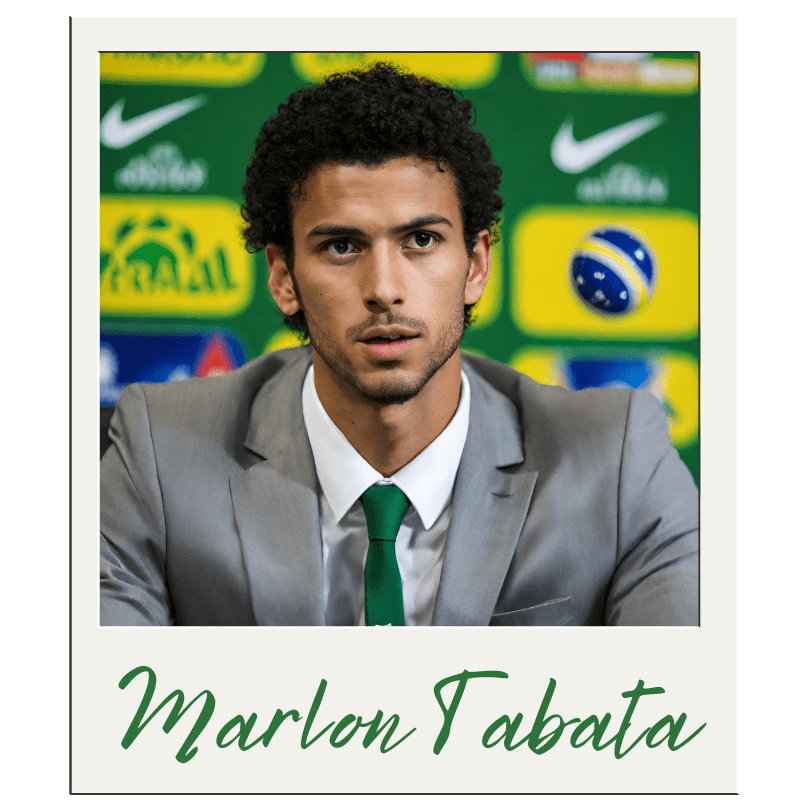
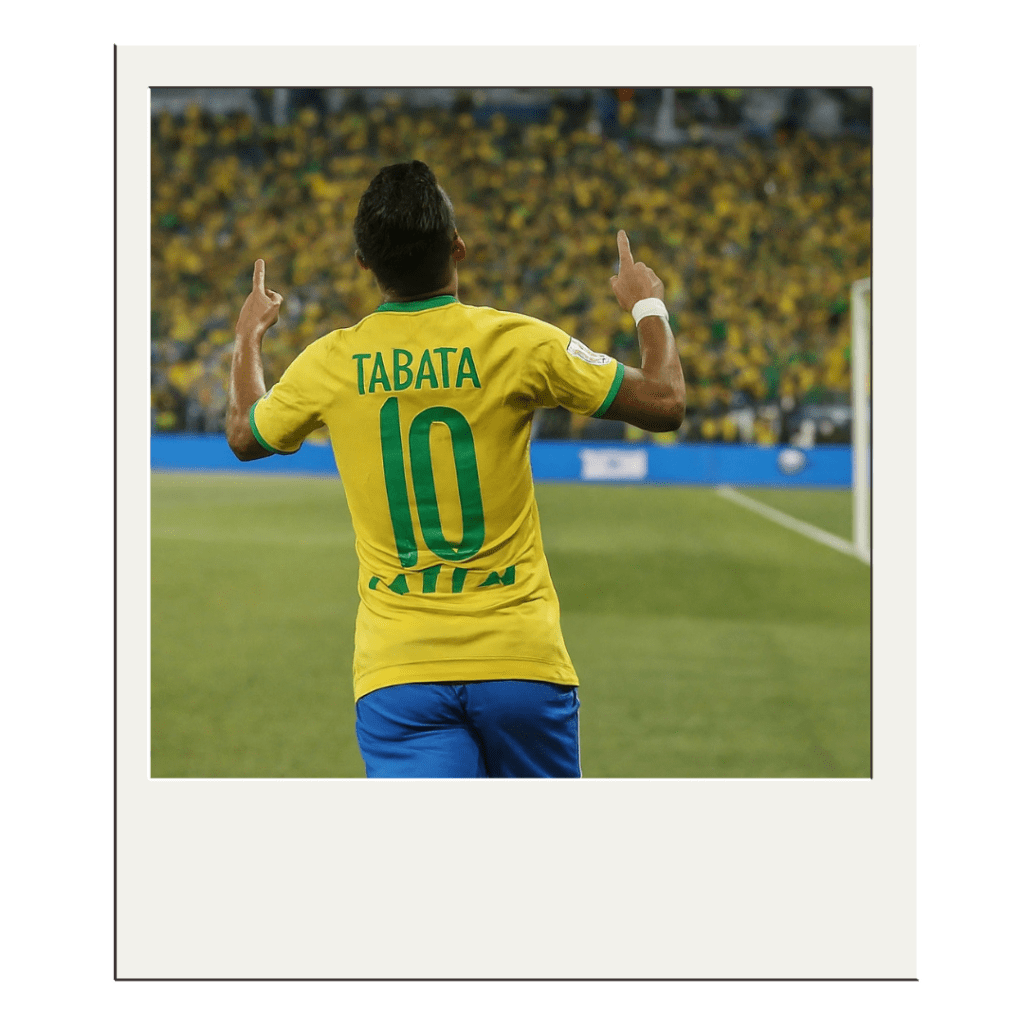
Time to introduce our manager for the save, say hello to Marlon Tabata. The 6ft7 Brazilian striker was a key player for me in my previous save with Kerry FC which I loved and hated simultaneously. We picked up 21-year-old Marlon as a free transfer from his native Ituano FC in São Paulo and he went on to become Kerry’s leading goalscorer as we attempted to build the nation of Ireland.
We even managed to keep him at the club longer than I expected, considering the endless transfer offers from Saudi clubs. Eventually, we said farewell to our Brazilian legend as he headed for Portugal, putting pen to paper with FC Porto aged 28.
A fan favourite and my favourite signing of that save, I felt I wanted to continue Marlon’s journey in FM24. I am also hoping that a Brazilian manager will be a gateway to the South American market transfer-wise.
Tactically, there is not a set style of play in my mind, I prefer to assess the squad and create something based around the players we have. I can see that this will most likely evolve for the first couple of seasons until we are settled and have a way of playing.
For now though, I am just waiting for the winter update to drop and then the save shall begin.
If you have made it this, far thank you very much for reading!

 FM Beth